
Dungeshwari Mandir – The Sacred Hills of Enlightenment
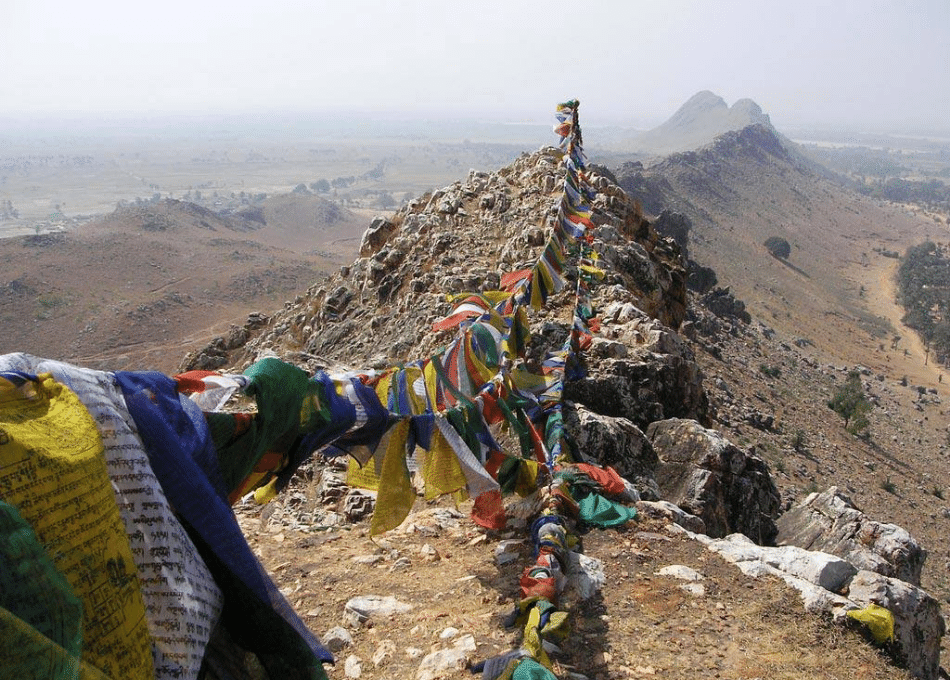
Dungeshwari Mandir, also known as Dungeshwari Hills Temple or the Mahakala Caves, is one of the most revered spiritual destinations near Gaya, Bihar. Located around 12 km northeast of Gaya town, this sacred place holds immense historical, cultural, and religious significance. Nestled among rocky hills and surrounded by natural beauty, the temple is dedicated to Goddess Dungeshwari and is equally significant in Buddhist traditions, as it is closely associated with the life of Lord Buddha.
Historical & Mythological Importance
According to Hindu tradition, the temple is dedicated to Maa Dungeshwari, an incarnation of Goddess Durga. It is believed that she was worshipped by sages and devotees in ancient times for her power to remove obstacles and bless devotees with strength and wisdom. Pilgrims visit here to seek her blessings for protection, prosperity, and liberation from sufferings.
From a Buddhist perspective, Dungeshwari Hills hold a very special place. It is said that before attaining enlightenment in Bodh Gaya, Prince Siddhartha (later Gautama Buddha) meditated here for six long years. During this period, he practiced extreme austerities and self-mortification, surviving on minimal food. Eventually, realizing that severe penance was not the path to truth, he abandoned the practice and went towards Bodh Gaya, where he finally attained enlightenment under the Bodhi Tree. Because of this, the site is also known as the Sujata Sthan or Mahakala Cave, symbolizing the turning point in Buddha’s spiritual journey.
The Temple Complex
Dungeshwari Mandir is actually a group of shrines spread across the hills. The main temple is dedicated to Maa Dungeshwari, represented in the form of a golden idol of the Goddess. Devotees offer flowers, vermilion, and coconuts while chanting traditional mantras. The temple is simple yet spiritually vibrant, drawing devotees from different parts of India.
Alongside the Hindu temple, there are Buddhist shrines and caves that attract international pilgrims. The Mahakala Cave houses a statue of a frail Buddha depicting his years of extreme austerity. The sight of this emaciated image inspires visitors, reminding them of the hardships he endured before finding the middle path. Monks often chant prayers here, filling the cave with a peaceful and meditative aura.
Religious Practices & Festivities
For Hindus, Navratri is the most important festival celebrated here, when thousands of devotees gather to worship Maa Dungeshwari with rituals, bhajans, and yajnas. For Buddhists, the site is visited year-round, but especially during Buddha Purnima, when monks and devotees from across the globe gather to meditate and pay homage to Lord Buddha’s journey.
The coexistence of Hindu and Buddhist traditions makes Dungeshwari Mandir a unique symbol of India’s spiritual diversity and harmony.
Natural Surroundings & Serenity
Situated on a hilltop, the temple offers breathtaking views of the surrounding countryside and the Falgu River. The peaceful environment, rocky caves, and chants from monks and priests together create an atmosphere of deep spirituality. Many visitors also enjoy trekking up the hill, combining a spiritual journey with natural exploration.
How to Reach Dungeshwari Mandir from Gaya
By Road: Dungeshwari Mandir is about 12 km from Gaya town and 15 km from Bodh Gaya. Local taxis, autos, and buses are easily available.
By Rail: Gaya Junction is the nearest railway station, well connected with major cities like Delhi, Patna, Kolkata, and Varanasi.
By Air: Gaya International Airport is around 20 km away, offering both domestic and international connectivity.